




FS15,Solvent based C6 Water and Oil Repellent
3. It don't change the original feel and style of the ribbon.
4. This product is colorless and will not affect the original color of the ribbon.
5. For shoes, boots, coats, accessories, etc.
<b><div>Short Description</div></b> It is a new solvent-based C6 three proofing finishing agent, environmental protection was cetified by SGS, with excellent permeability, suitable for low temperature processing and normal temperature spraying.</br> 1. Excellent water transfer performance.</br> 2. Friction-resistant and easily able to pass anti-siphon tests.<br> 3. It don't change the original feel and style of the ribbon.<br> 4. This product is colorless and will not affect the original color of the ribbon.<br> 5. For shoes, boots, coats, accessories, etc. <br>
3. It don't change the original feel and style of the ribbon.
4. This product is colorless and will not affect the original color of the ribbon.
5. For shoes, boots, coats, accessories, etc.
所属分类:
这里是占位文字
这里是占位文字
这里是占位文字
这里是占位文字
这里是占位文字
这里是占位文字
- PRODUCT DETAIL
- APPLICATIONS SCOPE
- PRODUCT TAGS
-
- Commodity name: FS15,Solvent based C6 Water and Oil Repellent
<b><div>Short Description</div></b> It is a new solvent-based C6 three proofing finishing agent, environmental protection was cetified by SGS, with excellent permeability, suitable for low temperature processing and normal temperature spraying.</br> 1. Excellent water transfer performance.</br> 2. Friction-resistant and easily able to pass anti-siphon tests.<br> 3. It don't change the original feel and style of the ribbon.<br> 4. This product is colorless and will not affect the original color of the ribbon.<br> 5. For shoes, boots, coats, accessories, etc. <br>
Product Paramenters
Product Model FS15 Appearance Light Yellow Solid Content 15% Ionicity weak cation Storage Not higher than 50℃(122℉) and Not lower than 0℃(32℉) Flash Point Abel(IPI 170/175),<20℃(68℉) Storage Life 1 year (from the date of production) Application Process
Water and oil repellent is generally used in the final process, ribbon, thread must be cleaned as far as possible after dyeing, do not contain any acid, alkali, salt or surfactant, so as to ensure uniform water and oil repellent finishing effect.
How to use:
Completely immersing applied materials in the water and oil repellent agent and then dehydrated, dry at room temperature or in the air, you can obtain excellent water and oil repellent effect (It’s proved that if the soaking time reaches more than 30 minutes, the water and oil repellent effect will be significantly improved).
In order to avoid waste or increase production costs, the remaining water and oil repellent agent can be recycled and reused after soaking.
Precautions for use:
Before batch production, it is recommended that making a sample test in advance to verify the influence of the water and oil repellent agent on the color of the fabric and preliminarily determine the water and oil repellent finishing effect.
When using water and oil repellent, in order to achieve the best effect, we must adhere to the principle of "twice parched, once saturated" : that is the substrate must be "parched" before soaking water and oil repellent agent; When soaking water and oil repellent to be"saturated"; After soaked the water and oil repellent agent, please be sure to dry the substrate until "parched".
Performance
Excellent water repellency .
It is friction resistant, can pass the anti-siphon test easily .
Maintaining the same original touch feeling and style of the substrate.
This product is colorless, it won't affect the original substrate color.
Compared with conventional water-repellent agent, it can be recycled, and also presents excellent water and oil repellent effect.
There is no selective adsorption on the substrate, the effect won't be affected by the substrate kinds and the dip rolling sequence.
It can be applied to continuous production and intermittent production.
Natural drying or air dry at room temperature, you don't need to purchase oven or any other equipments (low-carbon production).
FAQs
What is the difference between C0 and C6 finishes?
C6 finishes use short-chain fluorocarbon chemistry that repels both water and oil. C0 finishes are entirely fluorine-free and rely on non-fluorinated polymers that repel water effectively but generally offer limited oil resistance.
Is C6 DWR banned?
Not universally, but its use is narrowing. The EU restricts PFHxA, the substance C6 degrades into, starting in 2026, California and New York already restrict PFAS in textiles and apparel, and many brands have voluntarily phased out C6 ahead of formal regulation in line with policies such as the ZDHC MRSL.
Does C0 perform as well as C6?
On water repellency, modern C0 finishes often perform comparably to C6 when properly formulated and applied. On oil and grease repellency, C0 finishes generally fall short, so the right answer depends on whether oil resistance is a functional requirement for the end product.
How do I choose between C0 and C6?
Base the decision on three factors: whether the product needs oil repellency, whether the target market or brand enforces PFAS restrictions, and how much wash durability the end use requires. A crosslinking agent can improve durability for either chemistry once the base finish is selected.
Key words:- FS15,Solvent based C6 Water and Oil Repellent
- FS15,Solvent based C6 Water and Oil Repellent agent
-
Scope of Application
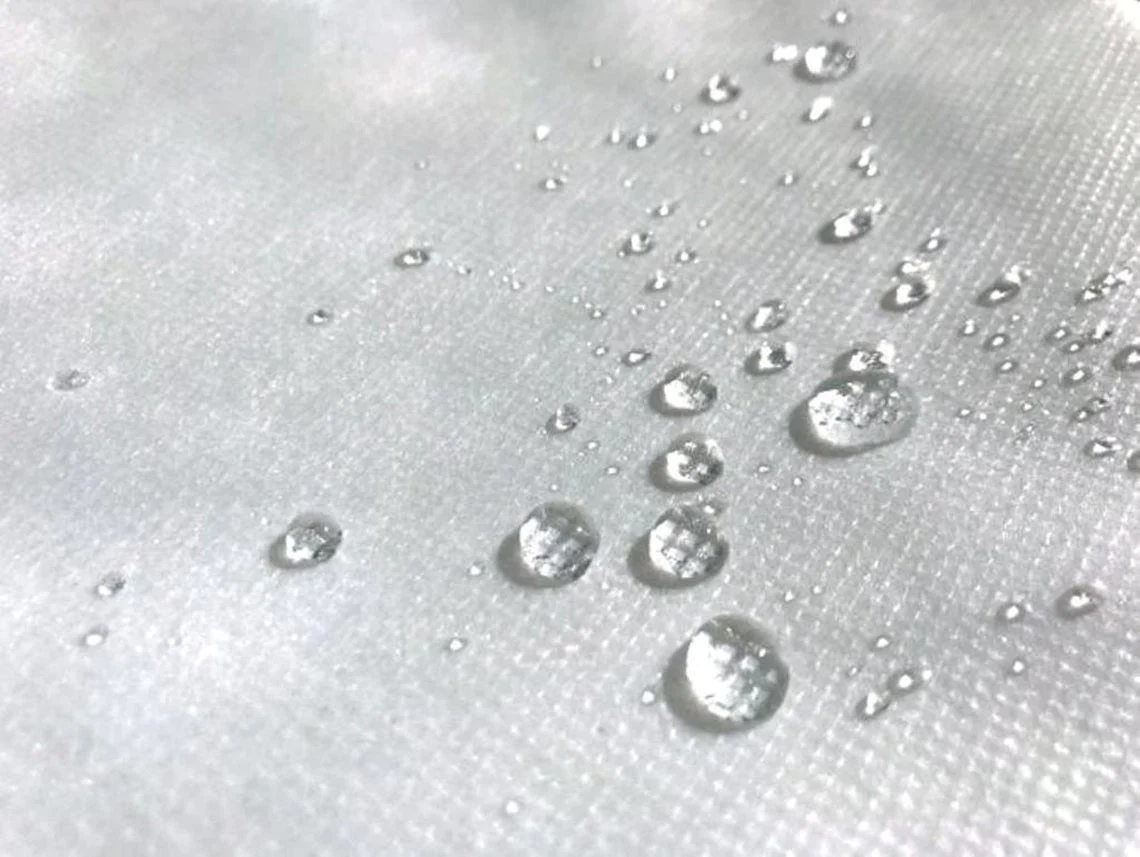
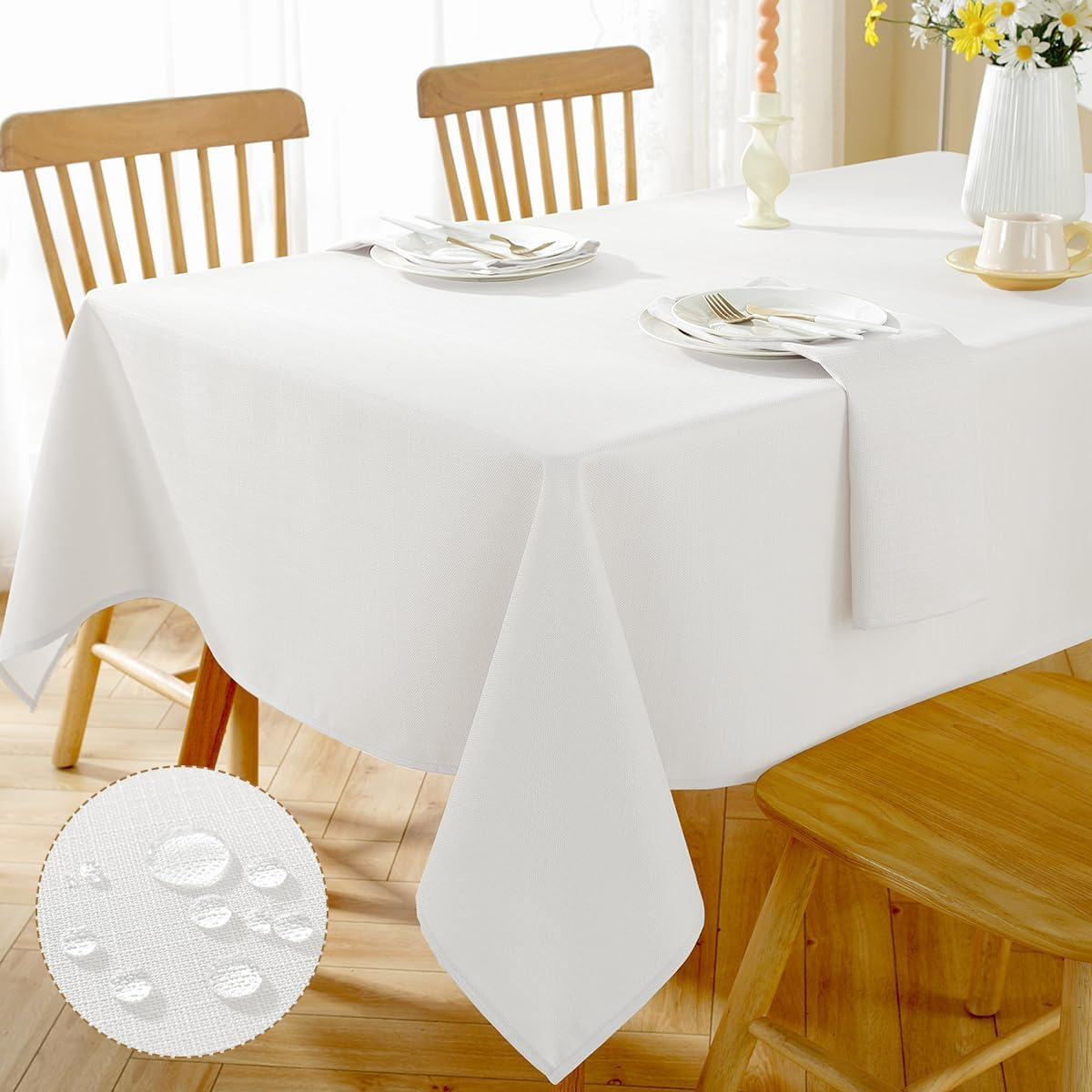
Fabrics (canvas, webbing, yarn)
Leather (double layer leather, suede leather,artificial leather, abrasive leather, etc.)
Footwear materials (uppers, shoelaces, shoe nets), etc


-
C6 Water Repellent
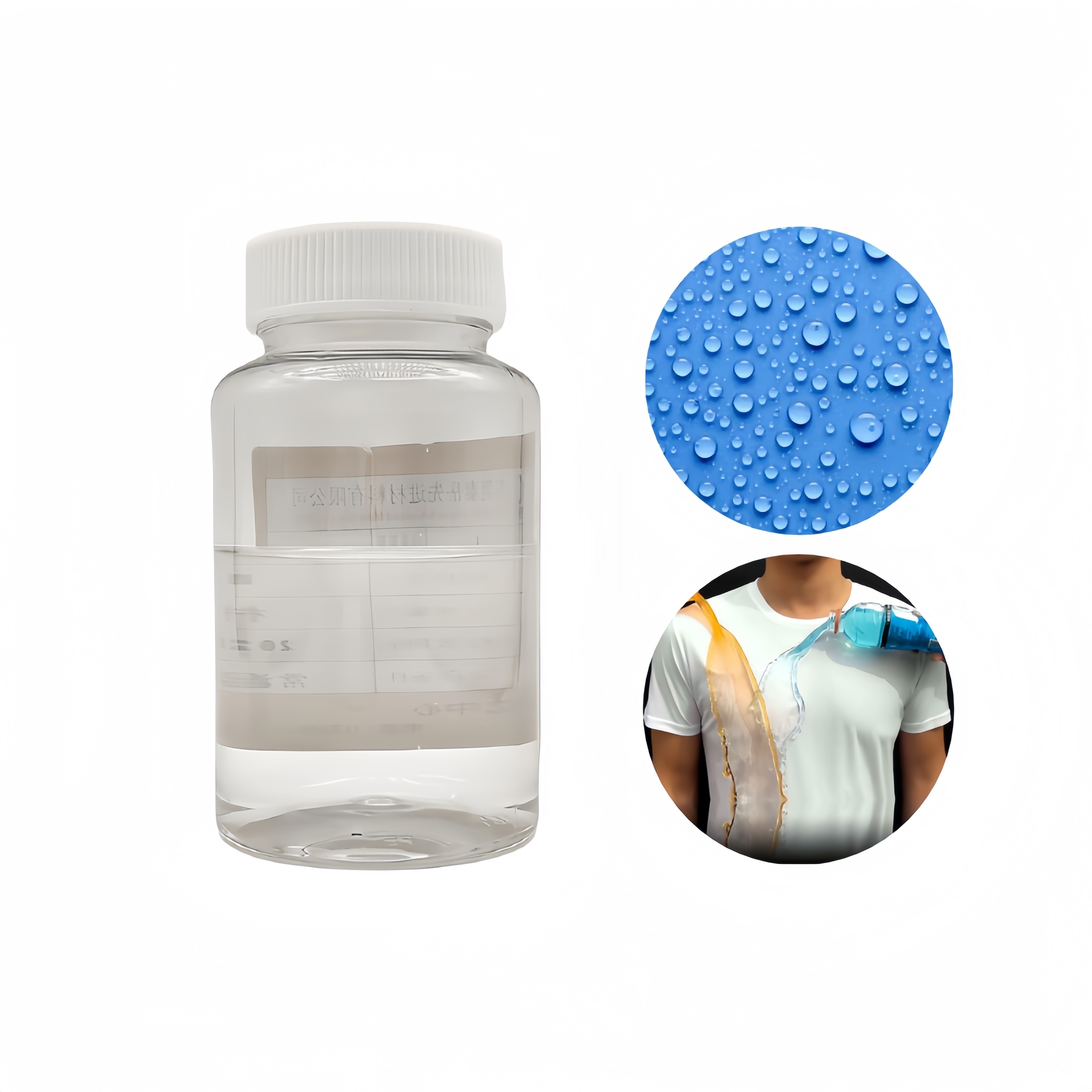
Waterproof Agent
Water Repellent Chemical
Hydrophobic Agent for Fabric
Liquid & Stain Repellents
WATER-REPELLENT AGENTS
Fabrics Waterproof Chemicals
Textile Finished Treatment Agent
Fabric After Treatment Chemicals
PRODUCT DETAIL
Product Paramenters
| Product Model | FS15 |
| Appearance | Light Yellow |
| Solid Content | 15% |
| Ionicity | weak cation |
| Storage | Not higher than 50℃(122℉) and Not lower than 0℃(32℉) |
| Flash Point | Abel(IPI 170/175),<20℃(68℉) |
| Storage Life | 1 year (from the date of production) |
Application Process
Water and oil repellent is generally used in the final process, ribbon, thread must be cleaned as far as possible after dyeing, do not contain any acid, alkali, salt or surfactant, so as to ensure uniform water and oil repellent finishing effect.
How to use:
Completely immersing applied materials in the water and oil repellent agent and then dehydrated, dry at room temperature or in the air, you can obtain excellent water and oil repellent effect (It’s proved that if the soaking time reaches more than 30 minutes, the water and oil repellent effect will be significantly improved).
In order to avoid waste or increase production costs, the remaining water and oil repellent agent can be recycled and reused after soaking.
Precautions for use:
Before batch production, it is recommended that making a sample test in advance to verify the influence of the water and oil repellent agent on the color of the fabric and preliminarily determine the water and oil repellent finishing effect.
When using water and oil repellent, in order to achieve the best effect, we must adhere to the principle of "twice parched, once saturated" : that is the substrate must be "parched" before soaking water and oil repellent agent; When soaking water and oil repellent to be"saturated"; After soaked the water and oil repellent agent, please be sure to dry the substrate until "parched".
Performance
Excellent water repellency .
It is friction resistant, can pass the anti-siphon test easily .
Maintaining the same original touch feeling and style of the substrate.
This product is colorless, it won't affect the original substrate color.
Compared with conventional water-repellent agent, it can be recycled, and also presents excellent water and oil repellent effect.
There is no selective adsorption on the substrate, the effect won't be affected by the substrate kinds and the dip rolling sequence.
It can be applied to continuous production and intermittent production.
Natural drying or air dry at room temperature, you don't need to purchase oven or any other equipments (low-carbon production).
FAQs
What is the difference between C0 and C6 finishes?
C6 finishes use short-chain fluorocarbon chemistry that repels both water and oil. C0 finishes are entirely fluorine-free and rely on non-fluorinated polymers that repel water effectively but generally offer limited oil resistance.
Is C6 DWR banned?
Not universally, but its use is narrowing. The EU restricts PFHxA, the substance C6 degrades into, starting in 2026, California and New York already restrict PFAS in textiles and apparel, and many brands have voluntarily phased out C6 ahead of formal regulation in line with policies such as the ZDHC MRSL.
Does C0 perform as well as C6?
On water repellency, modern C0 finishes often perform comparably to C6 when properly formulated and applied. On oil and grease repellency, C0 finishes generally fall short, so the right answer depends on whether oil resistance is a functional requirement for the end product.
How do I choose between C0 and C6?
Base the decision on three factors: whether the product needs oil repellency, whether the target market or brand enforces PFAS restrictions, and how much wash durability the end use requires. A crosslinking agent can improve durability for either chemistry once the base finish is selected.
Related Products


GET IN TOUCH

0086-769-83735717

0086-18998097707

info@taiyueam.com

No.3 Tianzi Road, Hengli Town,
Dongguan City,
Guangdong Province,
China. 523468


CONTACT US
Browse Alphabetically:
Product Listing Policy -Intelectual Property Protection -Privacy Policy -Terms of Use -User information Leoal Enauiry Guide -Interity Compliance

Copyright © 2024 Dongguan TAIYUE Advanced Materials Co., Ltd. All Rights Reserved.


